
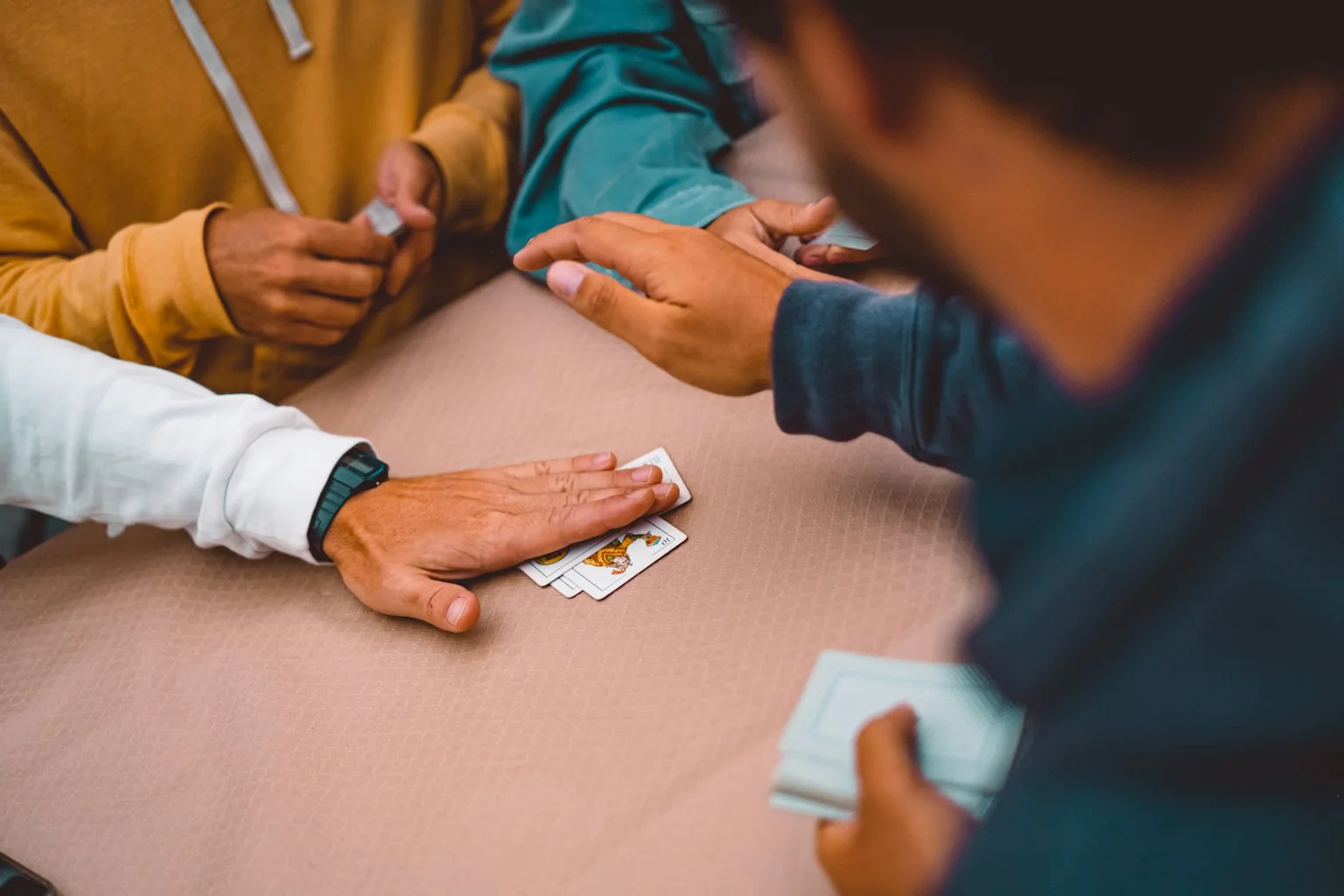
You can want friends and still find being around people exhausting.
Imagine spending a school day rehearsing what to say, trying to follow conversations in a noisy room and wondering whether people want you around. By the time you get home, you’re worn out.
For many neurodivergent children and young people, that’s familiar. Schools, colleges, workplaces and social activities often assume neurotypical ways of communicating, learning and socialising. Having to adapt every day can wear down your confidence, self-esteem and sense of belonging.
Finding people you can relax around takes time. It becomes easier when the places you meet give you room to be yourself.
What the research says
Surveys and studies describe different parts of that experience, from school and mental health to loneliness and social isolation.
- 79% of autistic respondents felt socially isolated in the National Autistic Society’s 2015 survey. The wider survey received over 7,500 responses, including from autistic people, families and professionals. National Autistic Society, 2016
- 70% of 112 autistic children aged 10–14 in one study met criteria for at least one co-occurring diagnosis. The study included ADHD among the conditions assessed. Simonoff and colleagues, 2008 · Ambitious about Autism’s evidence to Parliament, 2026
- 26% of autistic pupils felt happy at school in research from 2021 highlighted by the National Autistic Society in its 2023 report on education in England. National Autistic Society, 2023
- 70% of disabled respondents aged 16–24 in a pandemic-era survey said they felt lonely often or always, which Sense described as chronic loneliness. Sense, 2021
These findings describe different groups at different times. Behind each figure are people who deserve to feel understood, included and valued.
Why isolation can build
Neurodivergent young people can have good mental health. Barriers at school, at home and in their communities can make it harder to protect their wellbeing.
After repeated rejection, turning down invitations or staying quiet can feel like a way to protect yourself. Over time, having fewer chances to connect can deepen loneliness, wear down self-esteem and go hand in hand with anxiety or depression.
Making friends on your terms
Many neurodivergent young people want a friend to message, someone to go to the cinema with or people who’ll happily discuss a favourite game. Others prefer smaller groups or more time alone.
Busy youth clubs, loud venues and unfamiliar groups can make socialising stressful. A young person who hangs back in a crowd might feel more at ease with an online quiz or a one-to-one chat. A film, game or quiz gives you something to do together and a place to start.
The emotional cost of masking
Masking means changing or hiding parts of how you naturally communicate, move or respond. Some young people learn to do this early, and it can become automatic.
What masking can look like
- Forcing eye contact.
- Holding back movements that help you feel settled.
- Staying quiet about a noise that hurts.
- Playing down how much you love a topic.
Masking through a whole school day can leave someone exhausted by the time they get home. Over time, it can contribute to anxiety and burnout, undermine confidence and make it harder to feel sure of who you are.
National Autistic Society guidance on masking
You should be able to make friends without hiding the things that make you, you.
How Wired/Different helps
We started Wired/Different to give neurodivergent people in Northern Ireland more accessible ways to meet. We want to reduce isolation, support wellbeing and help people connect through shared interests.
We run facilitated online sessions for Wired Juniors (ages 8–15) and Wired Seniors (ages 16+). Wired/Different Events CIC also runs in-person events. Check individual listings for age requirements. Get to know Wired/Different
Your first session can be as simple as listening
- Pick something you already like. Look for a film, game, quiz or wellbeing topic that sounds interesting.
- Check what to expect. Read the event details for the age group, format and any venue access information. Ask us about access or participation if you want to check anything before booking.
- Join in at your own pace. In online sessions you can listen, use the chat or speak when you feel ready. Check our camera guidance for the session you’re joining.
There’s no pressure to speak or take part in every activity. Hearing someone else talk about an experience you recognise can be a good start all on its own.
Why prevention matters
Mental health support often begins once someone is already struggling. Earlier opportunities to build friendships, grow confidence and understand emotions can support a young person’s wellbeing before isolation takes hold.
Having someone who shares your sense of humour or an activity to look forward to can make the week feel different.
Community groups can support wellbeing alongside professional care. If you or a young person you support is struggling, a GP or mental health professional can help you explore support.
What belonging looks like
A quiz or a film discussion gives people a reason to meet. After a few weeks, it starts to feel familiar.
- Someone remembers your favourite character.
- A familiar name appears in the chat.
- You get invited to a movie night.
- There’s someone you’d like to talk to again.
For someone who’s been lonely or left out, having something to look forward to and knowing someone is happy to see you can mean a great deal.
Nobody should feel alone because their brain works differently. Young people deserve spaces that make room for the ways they communicate, take part and connect. That’s the community we’re building at Wired/Different.
Come and find your people
Whether you’re neurodivergent yourself or you’re a parent, carer or professional supporting a young person, we’d love to hear from you. Explore our online sessions, wellbeing activities and upcoming social events.
Explore and book sessions Visit Wired/Different
Wired/Different CIC — Find your people. Be yourself. Belong. 💜
Sources and further reading
- Ambitious about Autism’s position statements, including isolation and friendships
- Ambitious about Autism’s written evidence to Parliament on children and young people’s mental health (2026)
- National Autistic Society’s Education Report (2023, PDF)
- Sense’s research on loneliness among disabled people (2021)
- National Autistic Society’s advice on loneliness
- National Autistic Society’s Too Much Information report (2016, PDF)
- Simonoff and colleagues’ study of co-occurring diagnoses in autistic children (2008)
- National Autistic Society’s advice on masking